
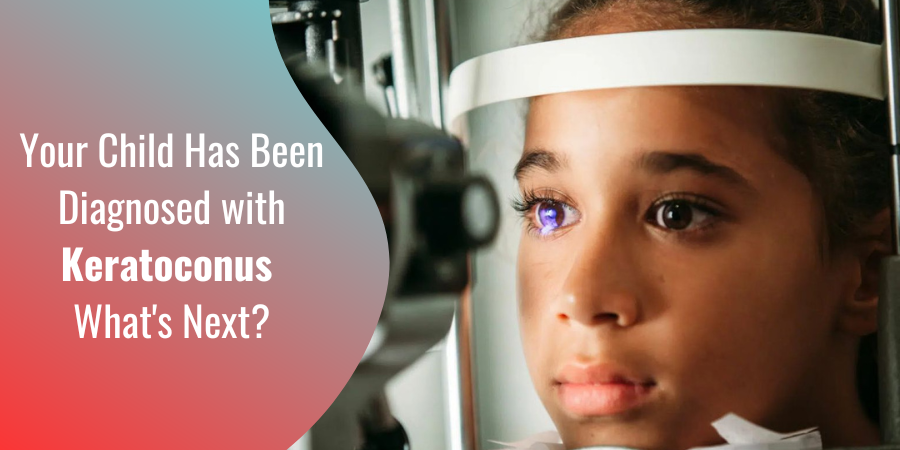
Receiving a diagnosis that affects your child’s vision can be an overwhelming experience for any parent. When a specialist mentions a condition like keratoconus, it is natural for your mind to race with questions about their future, schooling, and long-term eye health. However, the most important thing to realize is that you are not alone, and modern ophthalmology has made incredible strides in managing this condition.
If you are seeking Keratoconus Treatment in Mumbai, you are in one of the leading medical hubs, where advanced technology and compassionate care converge to deliver the best possible outcomes for children. Understanding the “what’s next” involves a blend of education, choosing the right medical partner, and staying proactive about early intervention to ensure your child’s sight remains stable and clear.
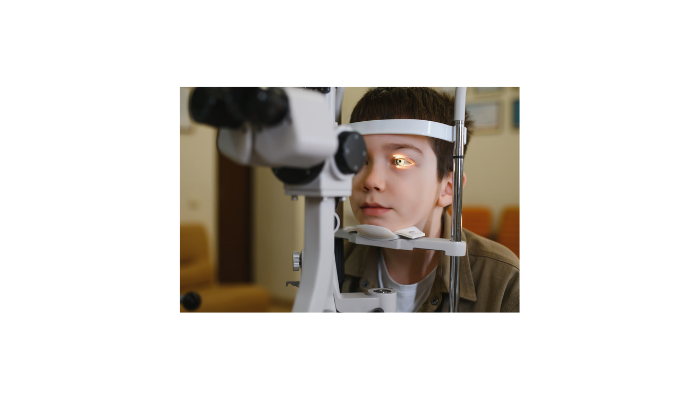
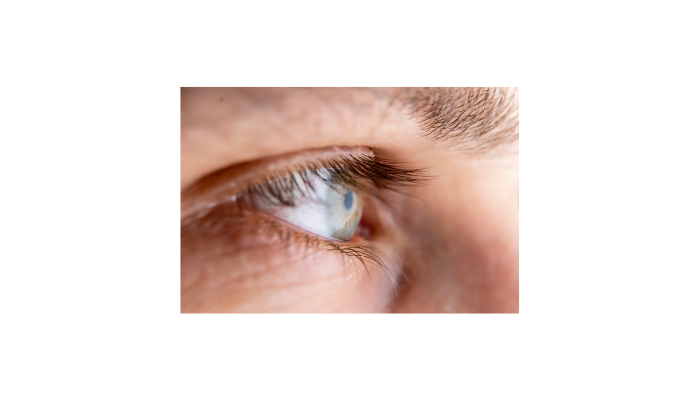
Keratoconus is a progressive eye condition where the normally round, dome-shaped cornea thins and begins to bulge into a cone-like shape. This irregular curvature prevents light from focusing properly on the retina, leading to distorted vision, increased sensitivity to light, and frequent changes in eyeglass prescriptions. In children and teenagers, the condition can be more aggressive than in adults, which is why a swift and structured approach to management is essential.
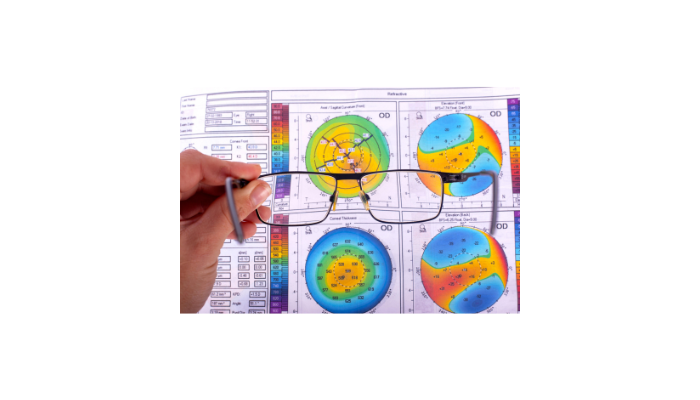
The diagnosis usually follows a period where a child complains of blurred vision that isn’t fully corrected by standard glasses. You might have noticed them squinting more often or rubbing their eyes frequently, a habit that is often linked to the progression of the disease. Once the diagnosis is confirmed via corneal topography, the focus shifts from “why did this happen” to “how do we stop it.”
Treating a child requires a different level of precision and patience than treating an adult. This is why many families seek out a Keratoconus Surgeon in Mumbai who understands the nuances of pediatric corneal health. A surgeon with specific experience in cross-linking and corneal stabilization can tailor a treatment plan that fits a child’s lifestyle, ensuring that the intervention is as non-disruptive as possible to their education and social life.
In the heart of the city, patients have access to world-class facilities. Finding a dedicated Keratoconus Treatment Center in Santacruz provides families with a convenient and highly specialized environment where every piece of equipment, from the diagnostic scanners to the surgical lasers, is optimized for corneal ectasia management.
When navigating such a sensitive health journey, the credentials and the “human touch” of the leading physician matter immensely. Dr. Vinay Agrawal stands out as a beacon of hope for families dealing with this diagnosis. His journey in medicine began at T.N. Medical College in Bombay, where his deep-seated passion for deciphering the complexities of optical system disorders took root. This dedication drove him to pursue a Master’s in Ophthalmology, seeking to master the art of vision restoration. His excellence was further recognized by the National Board of Examinations, Ministry of Health, which conferred upon him the title of Diplomate of the National Board (D.N.B.) in 1891, marking the beginning of a stellar career dedicated to saving sight.
As a cornerstone of the medical community, Dr. Vinay Agrawal has spent decades refining his approach to corneal diseases. His practice at Clear Vision Eye Centre is designed around the philosophy that every patient deserves a customized roadmap to recovery. At Clear Vision Eye Centre, the integration of advanced diagnostics and a warm, patient-first atmosphere helps alleviate the anxiety that children often feel during clinical visits.
The primary goal in pediatric keratoconus is to achieve stability. Unlike the past, where doctors would “wait and see,” the modern standard of care is to intervene early with Corneal Collagen Cross-linking (C3R or CXL). This procedure uses a combination of Riboflavin (Vitamin B2) drops and ultraviolet light to strengthen the corneal fibers. By creating new links between the collagen strands, the cornea becomes stiffer and less likely to continue bulging.
For a child, stopping the disease in its tracks means they may never reach the stage where a corneal transplant is necessary. Following stabilization, the next step is visual rehabilitation. This is where a Keratoconus Specialist in Mumbai plays a vital role. They might recommend specialized contact lenses, such as Rose-K, Scleral, or Mini-Scleral lenses, that provide much crisper vision than traditional glasses by creating a smooth optical surface over the irregular cornea.
Managing keratoconus is a marathon, not a sprint. It involves regular follow-up appointments to monitor corneal thickness and curvature. As a parent, you play a crucial role in this process. Encouraging your child to avoid rubbing their eyes is perhaps the most significant lifestyle change you can implement. Eye rubbing creates mechanical stress on the cornea, which can accelerate thinning.
Education is also key. Informing your child’s teachers about their condition can help ensure they have the right seating in class or, if needed, extra time for visual tasks. Most children with keratoconus go on to lead entirely normal lives, pursuing their choice of careers and hobbies, provided the condition is managed by a skilled Keratoconus Surgery in Mumbai when necessary.
Mumbai has evolved into a global destination for eye care, offering expertise that rivals international standards while maintaining a deeply personalized approach to patient care. The city’s medical infrastructure allows for a seamless transition from diagnosis to advanced surgical intervention. Families traveling from across the country find that the combination of experienced surgeons and cutting-edge technology provides a sense of security during a challenging time.
The “next steps” after a diagnosis are clear: educate yourself, prevent eye rubbing, and partner with a clinical team that specializes in corneal health. While the news can be startling, the tools available today are more effective than ever. By acting decisively and seeking the right professional guidance, you are giving your child the gift of a stable, functional vision for the rest of their life.
If you are looking for the gold standard in care, choosing a facility and a team that prioritizes the latest evidence-based protocols is essential. Securing top-tier Keratoconus Treatment in Mumbai ensures that your child’s journey toward clear sight is handled with the precision, expertise, and care they deserve.
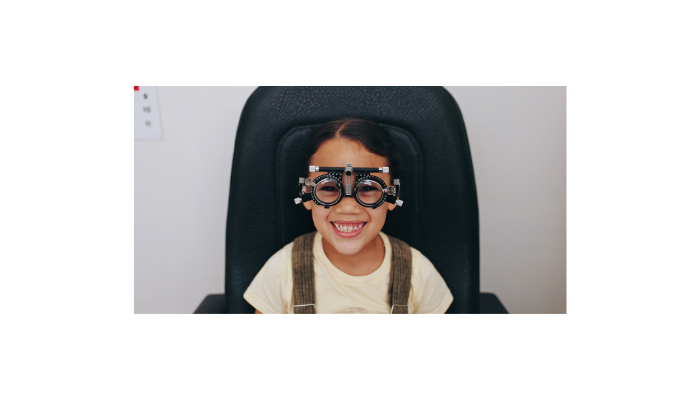
Early intervention is the most powerful tool we have against keratoconus. If your child has been diagnosed or is experiencing rapidly changing vision, don’t wait for the condition to progress. Contact us today to schedule a comprehensive evaluation and learn how we can help stabilize and protect your child’s sight for the future.
While it most commonly appears during the teenage years (13-18), it can occasionally be diagnosed in children as young as 7 or 8. Early-onset cases often require more frequent monitoring.
Absolutely. Once the cornea is stabilized and the correct vision correction (such as scleral lenses) is fitted, most children can participate in sports. We do recommend protective eyewear for contact sports.
The procedure is performed under local anesthesia (numbing drops), so there is no pain during the treatment. There may be some discomfort or a “gritty” sensation for a few days afterward, which is managed with prescribed eye drops.
Initially, follow-ups are frequent (weekly, then monthly). Once stability is confirmed, most patients only need to be seen every 6 to 12 months for a “corneal map” or topography scan.
No. While it can cause significant visual impairment if left untreated, it does not lead to total blindness. With modern treatments like C3R and specialized lenses, nearly all patients maintain functional vision.