

Keratoconus and Driving Challenges: How Treatment Can Improve Your Daily Life
It is an important element of daily independence to be able to drive; for example, when getting to work, dropping off children at school, or traveling with family, good vision is of major significance for safety on the road. Yet those individuals who have Keratoconus frequently suffer vision changes which can make driving difficult, in particular when it is at night or in poor lighting.
Keratoconus is a progressive eye condition in which the cornea, the transparent front layer of the eye, gradually thins and develops an irregular cone-like shape. This change affects how light enters the eye, leading to blurred or distorted vision that cannot always be corrected with normal glasses.
Early diagnosis and proper management can help people maintain better visual quality and continue their daily activities with greater confidence. For individuals seeking expert guidance, Keratoconus Treatment in Mumbai at a specialized eye care facility can provide personalized solutions based on the condition’s stage and severity.
How Does Keratoconus Affect Driving Ability?

Driving requires sharp vision, accurate depth perception, and the ability to quickly identify objects, signals, and obstacles. When Keratoconus changes the shape of the cornea, patients may experience several vision-related challenges.
Common driving difficulties include:
Blurry vision | Makes road signs and vehicles appear unclear |
Light sensitivity | Causes discomfort while driving under bright sunlight |
Halos around lights | Creates difficulty during nighttime driving |
Double or ghost images | Makes objects appear unclear or duplicated |
Irregular astigmatism | Reduces overall visual sharpness |
Many people with Keratoconus report that nighttime driving becomes especially challenging because headlights from approaching vehicles may appear scattered or surrounded by glare.
Why Does Keratoconus Cause Vision Distortion?
The cornea normally works like a clear window that helps focus light accurately onto the retina. In Keratoconus, weakening of corneal tissues causes the cornea to bulge outward.
This irregular shape prevents light from focusing properly, resulting in:
- Distorted images
- Frequent changes in glasses prescription
- Difficulty seeing clearly at different distances
- Reduced confidence during activities requiring precise vision
The condition may progress differently from person to person. Some individuals experience slow changes, while others may notice faster deterioration. Regular eye examinations are important to monitor corneal changes.
Signs That Keratoconus May Be Affecting Your Driving
Many patients initially ignore symptoms because vision changes can happen gradually. However, certain signs should not be overlooked.
You may need an eye evaluation if you experience:
- Increasing difficulty driving at night
- Frequent squinting while reading signs
- Needing stronger glasses frequently
- Blurred vision despite wearing spectacles
- Increased sensitivity to headlights
- Eye strain after driving
A detailed corneal evaluation can help identify changes before they significantly affect daily life.
Treatment Options That Can Improve Vision and Daily Activities
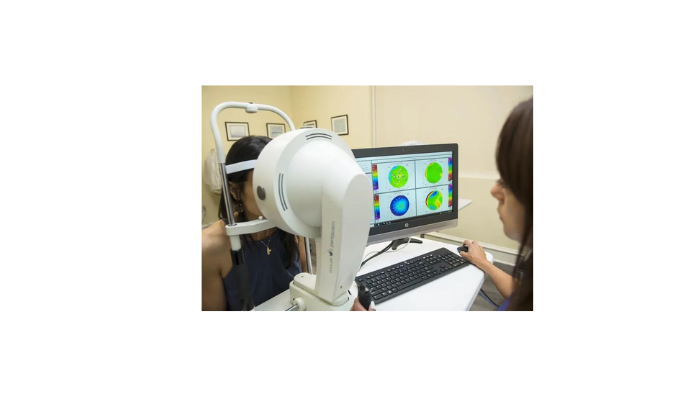
Treatment depends on factors such as the stage of Keratoconus, corneal thickness, vision requirements, and overall eye health.
Specialised Contact Lenses | Improves vision clarity by creating a smoother optical surface | Mild to moderate cases |
Corneal Collagen Cross-Linking | Helps strengthen the cornea and slow progression | Progressive Keratoconus |
Corneal Ring Segments | Helps improve corneal shape and contact lens tolerance | Selected moderate cases |
Corneal Transplant Procedures | Replaces damaged corneal tissue | Advanced cases |
The goal of treatment is not only improving eyesight but also helping patients return to comfortable daily activities such as reading, working, travelling, and driving.
How Advanced Treatment Helps With Driving Confidence
Many patients feel anxious when their vision affects their ability to drive. Proper treatment planning can help improve visual function and reduce these concerns.
Benefits may include:
Better Night Vision Management
Specialized treatment approaches and appropriate vision correction can reduce the impact of glare and light scattering, making nighttime activities more comfortable.
Improved Visual Clarity
Correct treatment can help patients achieve clearer vision compared to untreated progressive Keratoconus.
Increased Independence
Improved vision often helps patients feel more confident performing routine activities without depending heavily on others.
Better Long-Term Eye Health
Monitoring and timely intervention can help protect corneal stability and prevent unnecessary complications.
Choosing the Right Eye Care Expert Matters
Keratoconus requires detailed evaluation because every patient’s cornea is different. A doctor considers corneal mapping results, vision quality, and disease progression before recommending treatment.
A qualified Keratoconus Specialist in Mumbai can help patients understand their condition and choose the most suitable management approach.
Patients with advanced concerns may need guidance from an experienced Keratoconus Surgeon in Mumbai who understands modern corneal procedures and personalized treatment planning.
Understanding Advanced Keratoconus Procedures
In some situations, patients may require specialized procedures beyond glasses or contact lenses.
Keratoconus Surgery in Mumbai may include procedures designed to improve corneal stability, reshape the cornea, or restore vision in advanced cases.
Some patients may also explore options such as ICL for Keratoconus depending on their individual eye condition and suitability. A detailed consultation is essential before considering any surgical approach.
About Dr. Vinay Agrawal and His Expertise
Dr. Vinay K Agrawal has dedicated his career to understanding and treating complex eye conditions, especially corneal disorders. After completing his medical education from T.N. Medical College, Bombay, he pursued his Master’s degree in Ophthalmology due to his interest in optical system disorders. In 1991, he was awarded the Diplomate of National Board (D.N.B.) by the National Board of Examinations, Ministry of Health. He completed his Cornea Fellowship from the renowned L.V.Prasad eye institute, under the world renowned Dr. G. N. Rao.
With extensive experience in corneal care, Dr. Vinay Agrawal focuses on providing accurate diagnosis and personalized treatment plans for patients dealing with Keratoconus and other vision-related concerns.
Located in Santacruz, Mumbai, Clear Vision Eye Centre provides specialized eye care services including corneal evaluations and advanced management options for Keratoconus patients.
Possible Risks of Ignoring Keratoconus
Ignoring vision changes can allow the condition to progress without proper monitoring.
Some possible concerns include:
- Increasing dependence on stronger corrective lenses
- Difficulty wearing regular contact lenses
- Reduced quality of vision
- Increased challenges with daily activities
Understanding the Complications of Keratoconus helps patients recognize the importance of timely diagnosis and appropriate care.
Finding the Right Treatment Centre in Mumbai
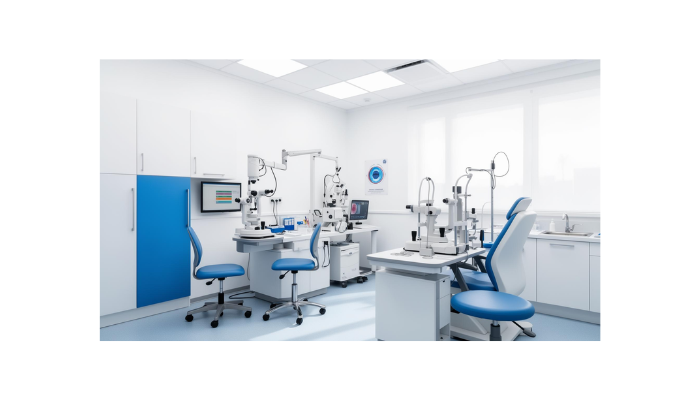
Choosing a specialized facility can make a significant difference in managing Keratoconus effectively.
A dedicated Keratoconus Treatment Center in Santacruz, Mumbai offers patients access to professional evaluation, modern diagnostic tools, and customized treatment recommendations.
A reliable Keratoconus Treatment Center in Santacruz focuses on understanding each patient’s unique vision needs rather than applying a one-size-fits-all approach.
Book Your Appointment Today at Dr. Vinay K Agrawal's Clear Vision Eye Centre
If Keratoconus is affecting your driving, work, or everyday activities, getting expert advice at the right time can help protect your vision.
Consult Dr. Vinay Agrawal at Clear Vision Eye Centre to understand your condition, explore suitable treatment options, and take the next step toward clearer and more comfortable vision.
For personalized guidance regarding Keratoconus Treatment in Mumbai, schedule your consultation today.
Frequently Asked Questions (FAQs)
1. Can people with Keratoconus drive safely?
Yes, many people with Keratoconus can continue driving, especially when their vision is properly corrected and regularly monitored. Treatment and suitable vision aids can improve comfort and confidence.
2. Why is nighttime driving difficult with Keratoconus?
Keratoconus can cause irregular light focusing, leading to glare, halos, and distorted images around headlights, making night driving more challenging.
3. Can Keratoconus be completely cured?
Keratoconus is a condition that requires management. Treatments can help stabilize the cornea, improve vision, and reduce progression depending on the patient’s condition.
4. Does corneal cross-linking improve vision?
Corneal cross-linking mainly aims to strengthen the cornea and slow progression. Some patients may experience visual improvement after treatment.
5. When should I visit a Keratoconus specialist?
You should consider an evaluation if you notice worsening blurry vision, frequent prescription changes, night vision problems, or difficulty with contact lenses.
6. Is Keratoconus treatment painful?
Most modern procedures are performed with patient comfort in mind. The experience depends on the treatment method and individual healing response.
7. How is Keratoconus diagnosed?
Doctors use detailed eye examinations, including corneal mapping and specialized imaging, to evaluate corneal shape and progression.