

Understanding Keratoconus and Why Early Detection Matters
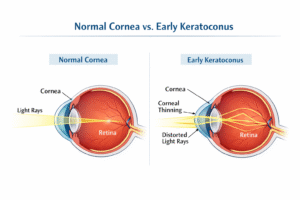
Vision plays a vital role in everyday life, yet many eye conditions progress silently before noticeable symptoms appear. Keratoconus is one such progressive eye disorder that can significantly affect vision if left untreated. Individuals experiencing frequent changes in eyesight or visual distortions should not ignore these warning signs. Seeking timely guidance from a Keratoconus Specialist in Mumbai can help detect the condition early and prevent it from worsening.
Keratoconus occurs when the cornea, the clear dome-shaped surface at the front of the eye, gradually becomes thinner and bulges outward into a cone-like shape. This irregular shape disrupts how light enters the eye, leading to blurred or distorted vision. The condition usually develops during the teenage years or early adulthood and may continue progressing over time if not properly managed.
Many people initially assume that their symptoms are simply related to changing vision or the need for new glasses. However, recognizing the early indicators and understanding the underlying risk factors can make a significant difference in preserving long-term eye health.
What Exactly Happens in Keratoconus?
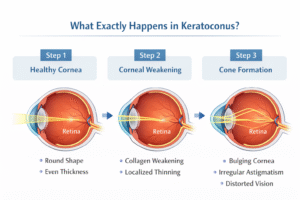
The cornea plays a critical role in focusing light onto the retina to produce clear images. In a healthy eye, the cornea maintains a smooth, rounded shape. When keratoconus develops, the cornea gradually weakens and protrudes outward, creating an uneven surface.
This structural change affects the way light bends inside the eye, causing refractive errors such as irregular astigmatism and myopia. As the disease progresses, individuals may struggle with everyday activities such as reading, driving at night, or recognizing faces clearly.
Fortunately, modern diagnostic tools and specialized care have made it possible to detect keratoconus much earlier than in the past. With appropriate monitoring and treatment, vision loss can often be slowed or prevented.
Early Signs of Keratoconus You Should Watch For
One of the biggest challenges with keratoconus is that its early symptoms often appear mild and easily overlooked. Recognizing these warning signs can help you seek professional evaluation before the condition progresses.
1. Frequent Changes in Prescription
If you find yourself needing new glasses or contact lenses more often than usual, it could be an early indicator of keratoconus. Rapid changes in refractive error may signal that the cornea is gradually changing shape.
2. Blurred or Distorted Vision
People with keratoconus often notice that their vision appears blurry, ghosted, or stretched. Straight lines may look wavy, and images may appear doubled.
3. Increased Sensitivity to Light
Photophobia, or light sensitivity, is a common symptom. Bright lights may cause discomfort, glare, or halos around objects.
4. Difficulty Seeing at Night
Night driving can become particularly challenging due to glare from headlights and streetlights. Many patients notice halos or starburst patterns around lights.
5. Eye Strain and Headaches
Constantly struggling to focus can lead to eye fatigue and headaches, especially after prolonged screen use or reading.
6. Poor Vision Even With Glasses
When glasses no longer provide clear vision despite updated prescriptions, it may indicate irregular corneal curvature associated with keratoconus.
These symptoms should never be dismissed, particularly if they occur together or worsen over time.
Common Risk Factors Linked to Keratoconus
Although the exact cause of keratoconus is not always clear, research has identified several factors that may increase the likelihood of developing the condition.
Genetic Predisposition
Keratoconus sometimes runs in families. If a close relative has been diagnosed with the condition, the chances of developing it may be higher.
Excessive Eye Rubbing
Frequent and vigorous eye rubbing is strongly associated with keratoconus progression. This habit may weaken the corneal structure over time.
Allergies and Chronic Eye Irritation
Individuals with persistent allergies or itchy eyes may rub their eyes more often, increasing the risk of corneal damage.
Connective Tissue Disorders
Certain medical conditions affecting collagen and connective tissue can make the cornea more susceptible to thinning.
Age Factor
Keratoconus often begins during adolescence or early adulthood. Early detection during these years can significantly improve treatment outcomes.
Understanding these risk factors helps individuals remain proactive about regular eye examinations and preventive care.
The Importance of Timely Diagnosis
Early diagnosis is essential in preventing keratoconus from progressing to advanced stages. Modern ophthalmology uses advanced diagnostic tools such as corneal topography and tomography to identify subtle corneal changes long before symptoms become severe.
Patients who notice unusual vision changes should consult an experienced Keratoconus Surgeon in Mumbai who can conduct detailed evaluations and recommend the most suitable treatment approach.
A comprehensive eye examination may include corneal mapping, visual acuity testing, and specialized imaging techniques to determine the severity of the condition.
Treatment Options Available Today
The management of keratoconus has evolved significantly over the years. Today, multiple treatment options are available depending on the stage of the disease.
Specialized Contact Lenses
Rigid gas permeable or scleral lenses can help improve vision by providing a smoother optical surface over the irregular cornea.
Corneal Collagen Cross-Linking
This procedure strengthens the corneal tissue and helps slow or stop the progression of keratoconus. It is most effective when performed in the early stages.
Intacs or Corneal Implants
Small ring-shaped implants may be inserted into the cornea to improve its shape and enhance vision quality.
Corneal Transplant
In advanced cases where the cornea becomes severely scarred or thin, a transplant may be recommended.
Patients often benefit from consulting an experienced eye specialist in Santacruz, Mumbai who can recommend personalized treatment plans based on detailed diagnostic findings.
Expertise and Experience in Keratoconus Care
At Clear Vision Eye Centre, patients receive specialized evaluation and treatment designed specifically for corneal disorders. The centre is recognized as a trusted Keratoconus Treatment Center in Santacruz, Mumbai, offering advanced diagnostic technology and patient-focused care.
Leading the practice, Dr. Vinay Agrawal has dedicated his career to diagnosing and managing complex corneal conditions. His professional journey reflects years of academic excellence and clinical experience.
He completed his medical education at T.N. Medical College in Bombay and pursued advanced training in ophthalmology, driven by a strong interest in disorders affecting the eye’s optical system. In recognition of his expertise, the National Board of Examinations under the Ministry of Health awarded him the prestigious Diplomate of National Board (D.N.B.) qualification in 1991. Over the years, he has helped numerous patients regain confidence in their vision through precise diagnosis and modern treatment approaches.
For individuals seeking advanced corneal care, consulting a qualified Cornea Specialist in Santacruz, Mumbai can make a meaningful difference in managing keratoconus effectively.
Why Early Action Can Protect Your Vision
Keratoconus is a progressive condition, but early intervention can dramatically slow its advancement. Many patients who seek treatment in the early stages are able to maintain functional vision for decades.
Ignoring symptoms or postponing eye examinations may allow the disease to progress, making treatment more complex. Regular eye check-ups, especially for teenagers and young adults with vision changes, are crucial for early detection.
By staying informed and proactive, patients can protect their eyesight and maintain a better quality of life.
Frequently Asked Questions About Keratoconus
What is the earliest sign of keratoconus?
One of the earliest signs is frequent changes in glasses prescription combined with blurred or distorted vision.
Is keratoconus a hereditary condition?
In many cases, genetics plays a role. Individuals with family members who have keratoconus may have a higher risk.
Can keratoconus be cured completely?
While it cannot always be completely cured, modern treatments can effectively control its progression and improve vision.
At what age does keratoconus usually start?
The condition often begins during the teenage years or early adulthood.
How is keratoconus diagnosed?
Eye specialists use advanced tests such as corneal topography and tomography to analyze the shape and thickness of the cornea.
Book Your Appointment Today at Dr. Vinay K Agrawal’s Clear Vision Eye Centre
Early diagnosis can make a significant difference in preserving your vision and preventing keratoconus from progressing to advanced stages. If you notice persistent vision changes, light sensitivity, or blurred vision, seeking timely professional care is essential.
Patients looking for expert diagnosis and personalized treatment can consult Dr. Vinay Agrawal at Clear Vision Eye Centre, a trusted destination for advanced keratoconus management. With modern diagnostic tools, individualized treatment planning, and years of specialized experience, patients receive comprehensive care designed to protect their long-term eye health.
If you or a loved one is experiencing symptoms of keratoconus, do not delay professional evaluation. Schedule a consultation with a Keratoconus Specialist in Mumbai to receive expert guidance and begin the path toward clearer, healthier vision.