Key Questions to Ask Before Scheduling Your Keratoconus Surgery in Mumbai
Facing a diagnosis of Keratoconus is a life-altering experience that demands both emotional fortitude and proactive medical decision-making. When your cornea begins to lose its natural shape, the world can feel increasingly blurred, making the pursuit of stability and clarity your primary focus. Fortunately, the landscape of corneal care has evolved remarkably, offering hope where there was once limited intervention. As you stand at the threshold of choosing a path for your visual restoration, it is vital to acknowledge that knowledge is your greatest ally. Thorough preparation and a candid dialogue with your ophthalmologist are the foundations upon which successful recovery is built. You owe it to your long-term visual health to be fully informed, ensuring that the steps you take are guided by medical precision and personal confidence.
The journey toward correcting your vision requires careful navigation of the healthcare landscape, particularly when you are preparing for Keratoconus Surgery in Mumbai. Finding the right partner in your care is a significant responsibility that involves evaluating expertise, technology, and the patient-centered philosophy of your chosen clinic. Before committing to any surgical plan, you must ensure that your questions are answered and your expectations are aligned with clinical realities. A detailed consultation acts as a crucial checkpoint, allowing you to bridge the gap between your current challenges and the potential for a more stable future. By asking the right questions, you move beyond the uncertainty of your diagnosis and step into a structured, well-considered plan for your eyes, empowering yourself to make a decision that prioritizes safety and visual quality above all else.
The Foundation of Expertise
When embarking on this journey, it is imperative to align yourself with professionals who demonstrate deep clinical insight. Dr. Vinay Agrawal stands out as a distinguished authority, serving as a beacon of hope for patients managing this condition. After completing his foundational training at T.N. Medical College in Bombay, his deep-seated commitment to mastering ocular complexities drove him to earn his Master’s in Ophthalmology. His expertise was further recognized in 1991 when the National Board of Examinations, under the Ministry of Health, awarded him the prestigious Diplomate of National Board (D.N.B.) title. He completed his Cornea Fellowship from the renowned L.V.Prasad eye institute, under the world renowned Dr. G. N. Rao. Selecting such a practitioner ensures that your care is rooted in decades of experience.
Questions for Your Consultation
To facilitate a productive discussion, consider asking these ten essential questions during your next visit.
1. What is the current stage of my Keratoconus, and is intervention immediately required?
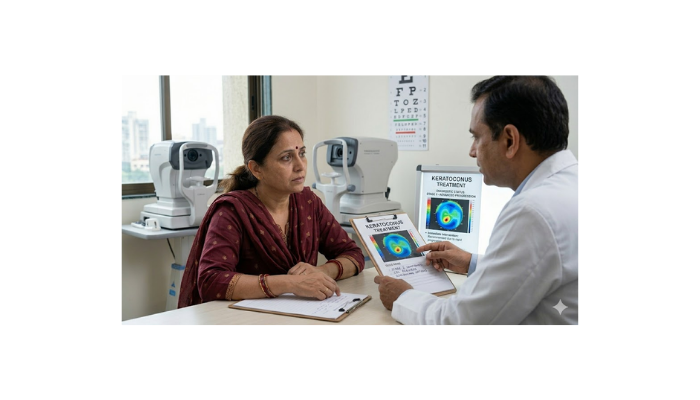
It is vital to confirm your baseline. Request a detailed explanation of your corneal tomography. Early identification can sometimes allow for monitoring, while progression necessitates active treatment. A professional Keratoconus Specialist in Mumbai will guide you on the urgency of your specific timeline.
2. Which treatment modality is most appropriate for my corneal profile?
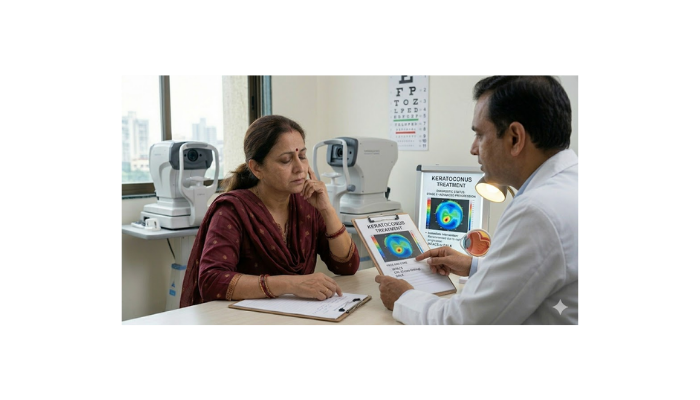
There is no universal solution. Whether it is Corneal Cross-linking (CXL) to arrest progression, or more structural interventions, your treatment plan must be customized. Understanding the “why” behind the chosen method is central to informed consent.
3. What are the primary goals of the suggested procedure?
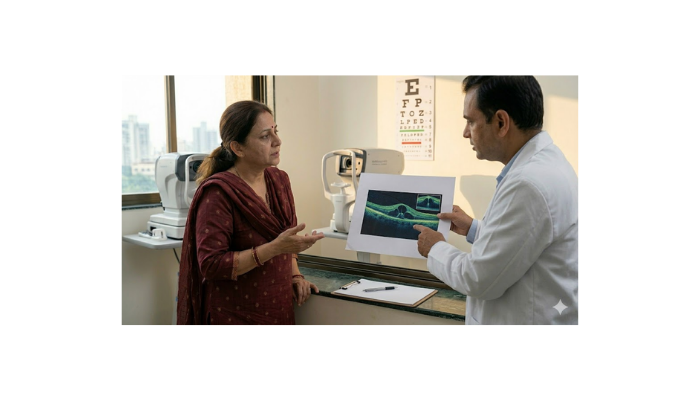
Patients often confuse stabilization with visual improvement. For example, CXL aims to harden the corneal tissue to stop the thinning process, whereas other methods focus on reshaping. Distinguishing between these goals prevents future disappointment.
4. Are there alternative, less-invasive options I should consider first?
Before jumping into surgery, always explore if specialized contact lenses or other non-surgical pathways might provide the visual acuity you need. Discuss the viability of these options at your Keratoconus Treatment Center in Santacruz to ensure all avenues have been exhausted.
5. What is the specific success rate of this surgery for patients with my level of thinning?
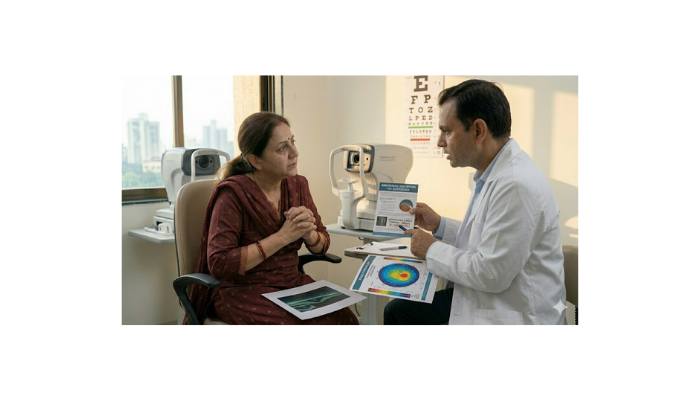
While general success rates are high, ask about the outcomes for cases that mirror your own. This provides a more realistic expectation of what your recovery will look like.
6. What potential complications should I be aware of, and how are they managed?
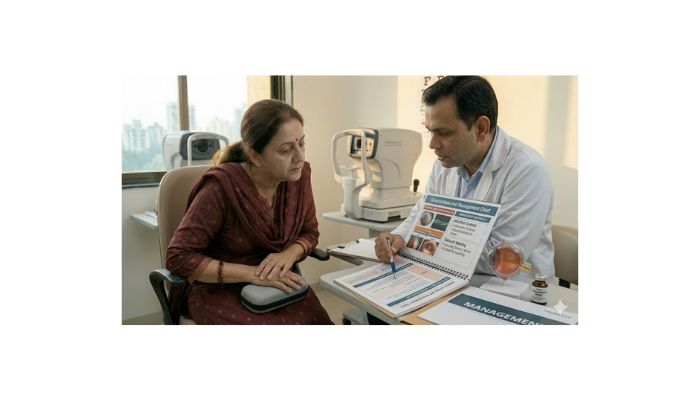
Every surgery carries inherent risks, such as infection, inflammation, or delayed healing. A transparent discussion about these risks, and the protocols in place to address them, builds trust and ensures you are prepared for every contingency.
7. What is the expected recovery timeline for my daily activities?
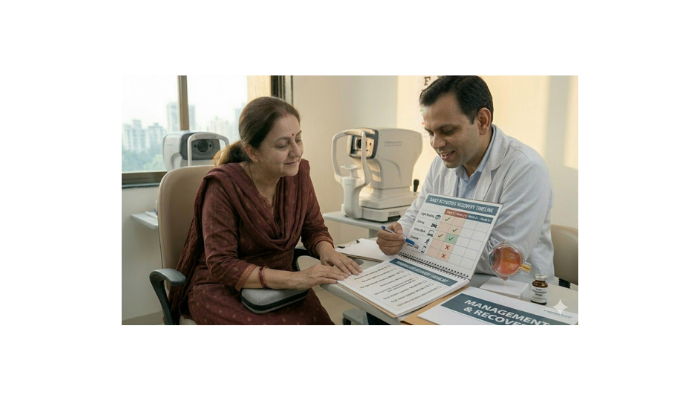
Life doesn’t stop for surgery. Ask clearly about when you can return to work, drive, or engage in physical exercise. This helps you plan your leave and arrange for the necessary support at home.
8. Will I require further vision correction after the procedure?
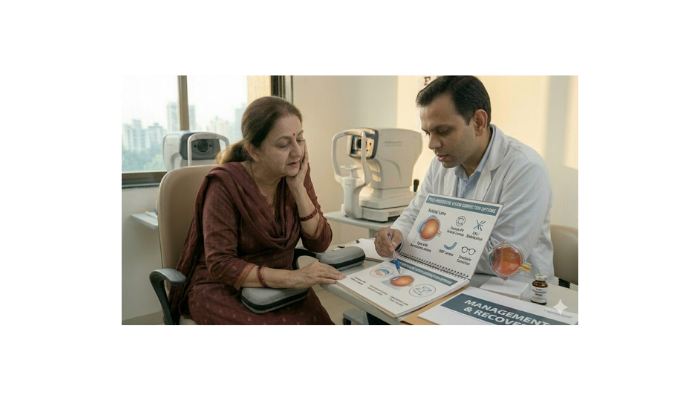
It is a common misconception that surgery eliminates the need for glasses or lenses entirely. Most patients will still need some form of optical aid. Ask if the surgeon anticipates that you will need specialized scleral lenses post-operatively to reach your best-corrected vision.
9. Who will be responsible for my post-operative follow-up care?
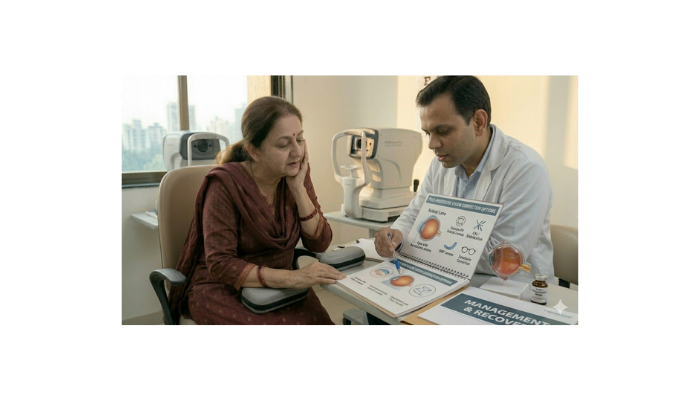
Continuity is vital. You should ensure that your primary surgeon remains involved in your follow-up visits, as they possess intimate knowledge of how your cornea reacted during the procedure. Finding the right Keratoconus Surgeon in Mumbai means ensuring you have dedicated, consistent support throughout your recovery.
10. What is the comprehensive financial breakdown, and do you assist with insurance claims?
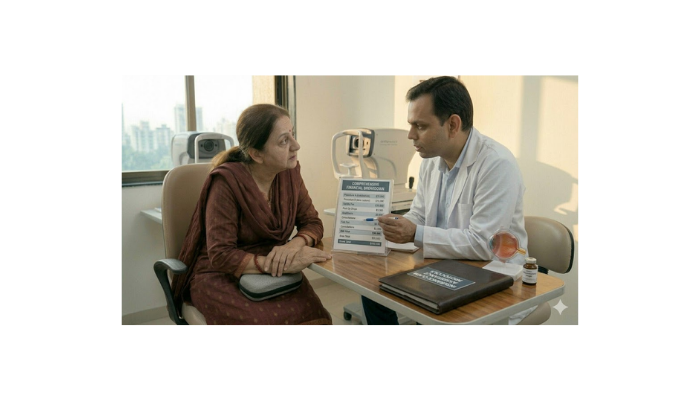
Medical procedures can be a significant investment. Request a detailed cost estimate covering the surgery, facility fees, and post-operative medications. Inquire if the office can help with the documentation required for insurance processing to ease your administrative burden.
A Commitment to Excellence
Choosing the right path for your eyes is a major milestone. Dr. Vinay Agrawal and the dedicated team at Clear Vision Eye Centre are committed to ensuring that every patient understands their options through clear, compassionate communication. By focusing on evidence-based practices and personalized care, they help patients navigate the complexities of this condition with confidence. Making the decision to move forward requires total clarity, and that begins with a structured conversation during your consultation. Ensuring you have all your concerns addressed allows you to approach your Keratoconus Surgery in Mumbai with a sense of peace, knowing that your visual health is in the hands of experts who prioritize your long-term success.
Take Control of Your Vision Today
Do not let the uncertainty of Keratoconus delay your path to a clearer future. Schedule your comprehensive consultation with our team at Clear Vision Eye Centre and let us guide you through the process with the expertise and personalized care you deserve. Your vision is our mission, reach out to us today to start your journey.
Frequently Asked Questions (FAQs)
Q: Can I achieve 20/20 vision after surgery?
A: While surgery significantly improves the structure and refractive predictability of the cornea, the goal is often “functional vision.” Many patients still use glasses or contact lenses to achieve their sharpest possible clarity.
Q: How often do I need to be monitored after treatment?
A: Post-operative monitoring is frequent in the first few months to ensure the cornea is healing as expected. Eventually, these visits become part of your routine annual eye health checkups.
Q: Is the procedure painful?
A: Most corneal procedures are performed under topical anesthesia, meaning the eye is numbed thoroughly. You may experience some discomfort or a gritty sensation during the initial healing days, which is managed with prescribed eye drops.
Q: How long does the improvement take to become noticeable?
A: This depends on the specific procedure performed. Cross-linking often shows stability over time, whereas structural surgeries may show visual improvements as the eye stabilizes over several weeks or months.