

1. What is Keratoconus?
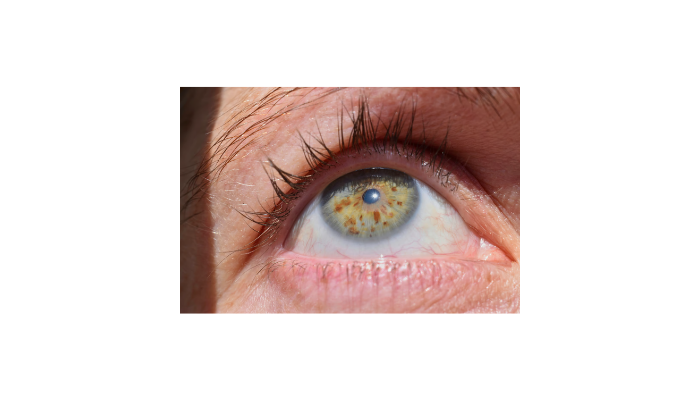
Keratoconus is a progressive eye condition that affects the cornea, causing it to thin and bulge into a cone-like shape. This distortion leads to visual impairment, making early detection and treatment crucial. If you or a loved one has symptoms of Keratoconus, it is essential to consult a Keratoconus specialist in Mumbai, Dr. Vinay K Agrawal, for Keratoconus Treatment in Mumbai at Clear Vision Eye Centre to ensure the best possible care and outcomes.
Understanding key facts about Keratoconus and its treatment from an expert Keratoconus Surgeon in Mumbai can help you make informed decisions about your eye health.
Keratoconus is a non-inflammatory eye disorder that weakens the cornea, making it thin and irregularly shaped. This leads to blurred vision, increased light sensitivity, and difficulty seeing at night. While the exact cause is unknown, genetic and environmental factors are believed to contribute to its development.
2. Causes and Risk Factors
Though the exact cause of Keratoconus remains unknown, several risk factors have been identified:
- Genetics: A family history of Keratoconus increases the likelihood of developing the condition.
- Frequent Eye Rubbing: Excessive eye rubbing can weaken the cornea, accelerating keratoconus progression.
- Allergies and Chronic Eye Irritation: Persistent eye irritation or allergic reactions can contribute to corneal thinning.
- Underlying Health Conditions: Certain systemic conditions, such as Down Syndrome and Ehlers-Danlos Syndrome, are associated with a higher risk of Keratoconus.
3. Early Detection is Crucial
Keratoconus typically starts in the teenage years or early adulthood and progresses over time. Early detection through routine eye check-ups can help manage the condition before it worsens. Regular screenings are vital for individuals with a family history of Keratoconus.
4. Symptoms Vary by Stage
The symptoms of Keratoconus evolve as the condition progresses. In the early stages, mild blurring and distortion of vision occur. As the disease advances, patients may experience severe visual impairment, glare, and difficulty wearing contact lenses due to irregular corneal shape.
5. How is Keratoconus Diagnosed?
If you’re concerned about keratoconus symptoms, visiting a Keratoconus Hospital in Mumbai, such as Clear Vision Eye Centre, is the best step toward getting the right care. The expert will start by asking about your vision, any noticeable changes, and any family history of eye conditions. A thorough eye examination will follow, during which specialized diagnostic tools may be used to map the shape of your cornea. This detailed assessment helps determine whether keratoconus is the cause of your vision issues, allowing for timely diagnosis and appropriate treatment.
Seeking expert care ensures you receive the best possible guidance for managing your eye health effectively.
6. Treatment Options Depend on Severity
Keratoconus treatment varies based on its severity. Mild cases can often be managed with eyeglasses or soft contact lenses. At the same time, more advanced stages require specialized treatments such as corneal cross-linking, scleral lenses, or corneal transplants.
7. Corneal Cross-Linking Can Halt Progression
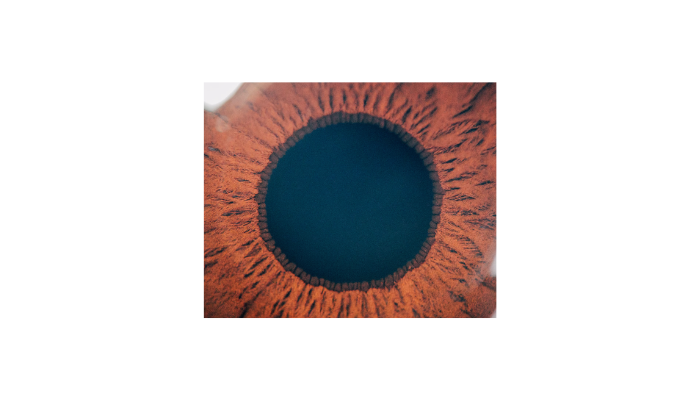
Corneal cross-linking (CXL) is a widely used, minimally invasive procedure that strengthens the cornea by using riboflavin (vitamin B2) and ultraviolet (UV) light. This treatment helps halt the progression of Keratoconus and can prevent the need for future corneal transplantation.
8. Scleral Lenses Provide Visual Improvement

Scleral lenses are custom-designed, large-diameter contact lenses that vault over the cornea, providing a smooth refractive surface for clearer vision. These lenses are particularly beneficial for patients with advanced Keratoconus who struggle with traditional contact lenses.
9. Corneal Transplants Are a Last Resort
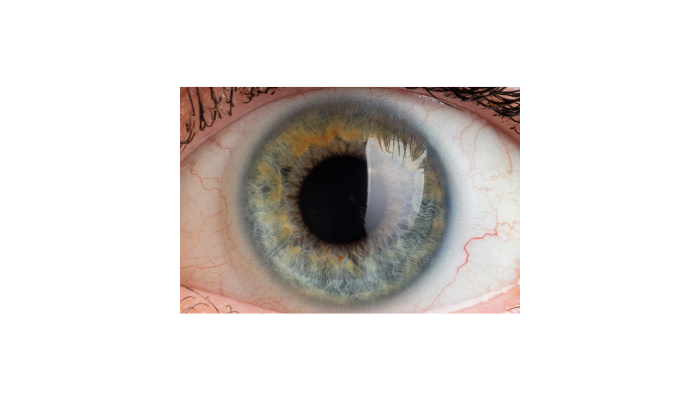
For patients with severe Keratoconus where other treatments are ineffective, a corneal transplant may be necessary. This surgical procedure involves replacing the damaged cornea with a healthy donor cornea. Modern techniques like deep anterior lamellar keratoplasty (DALK) offer better success rates and shorter recovery times.
10. Post-Treatment Care is Essential
Following Keratoconus Surgery in Mumbai, patients must adhere to their doctor’s recommendations to maintain eye health. Regular follow-ups, wearing prescribed lenses, and protecting the eyes from excessive strain or UV exposure can help preserve vision and prevent further complications.
Conclusion
Keratoconus is a serious yet manageable condition if detected and treated early. Consulting Dr. Vinay K Agrawal (M.B.B.S., M.S. (ophthalmology), D.N.B. (Ophthalmology), Cornea Fellow, L.V.Prasad Eye Institute), an expert in Keratoconus Treatment in Mumbai, ensures access to cutting-edge treatments and personalized care.
If you are experiencing vision problems or suspect Keratoconus, seeking professional medical advice is the first step toward restoring and maintaining clear vision. Early diagnosis, proper treatment, and lifestyle adjustments can help you maintain good vision and prevent complications associated with Keratoconus.
Frequently Asked Questions (FAQs)
1. Is Keratoconus treatment permanent, or will I need more procedures later?
The goal of primary treatments like Corneal Collagen Cross-Linking (C3R) is to provide long-term stability by strengthening the cornea. While C3R is highly effective at halting the progression of the disease, Keratoconus is a lifelong condition that requires regular monitoring. In some cases, especially in younger patients, a “touch-up” or secondary treatment may be needed years later if further thinning is detected during follow-up scans.
2. How soon can I return to work or normal activities after treatment?
Recovery time varies based on the procedure. For C3R (the most common treatment), most patients can return to work or school within 7 to 10 days. However, you should avoid swimming, heavy lifting, and dusty environments for at least two weeks. If you are getting specialized contact lenses (such as scleral lenses), there is zero downtime. However, it may take a few weeks to adapt to the new lens sensation fully.
3. Will my vision be 20/20 immediately after Keratoconus surgery?
It is important to manage expectations: procedures like C3R and INTACS are primarily designed to stabilize the eye and prevent further vision loss, not necessarily to provide 20/20 vision without aids. Most patients will still require glasses or specialized contact lenses after surgery to achieve their best possible vision. Vision improvement is often a gradual process that unfolds over several months as the cornea heals and settles.
4. Can I still get LASIK if I have Keratoconus?
Generally, no. Traditional LASIK is contraindicated for patients with Keratoconus because it involves removing corneal tissue to reshape the eye. In a Keratoconus eye, the cornea is already thin and weak; removing more tissue can cause the eye to bulge even further, significantly worsening the condition. If you are looking for permanent vision correction, your specialist may instead discuss “Topography-guided PRK” combined with Cross-linking.
5. Does insurance cover the cost of Keratoconus treatment in Mumbai?
Most major health insurance providers in India now recognize Keratoconus treatments like C3R and Corneal Transplants as medically necessary rather than cosmetic. However, the extent of coverage depends on your specific policy. At Clear Vision Eye Centre, we assist patients with the necessary documentation and TPA (Third Party Administrator) processes to help make the financial aspect of your treatment as smooth as possible.